Trust Design Kyoto Kyoto craft, modern brand — design with quiet confidence.

Trust Design Kyoto

Kyoto craft, modern brand — design with quiet confidence.

Latest Articles

The Ledger That Spans a Lifetime: Rethinking Retention Through Kyoto's Tea Rooms
Brand Strategy

The Ledger That Spans a Lifetime: Rethinking Retention Through Kyoto's Tea Rooms

Kyoto's tea houses have kept the same families as customers for four and five generations, measuring success in decades rather than quarters. This piece translates that patience into practical retention strategy for American agencies and service firms that treat every client relationship as a transaction with an expiration date.


What the Empty Shelf Is Actually Selling: Kyoto's Discipline of the Unmade Product
Design Philosophy

What the Empty Shelf Is Actually Selling: Kyoto's Discipline of the Unmade Product

In Kyoto, the most respected shops often display less than they could sell — and that restraint is the product. This piece examines how American brands can practice deliberate scarcity as a philosophy of trust rather than a tactic of urgency.

Design Philosophy

Paper That Outlives the Pitch Deck: What Kyoto Knows About Designing for a Decade

In Kyoto, a shop's wrapping paper may go unchanged for two generations. American startups, meanwhile, redesign their identity every funding round. This piece examines the discipline of the ten-year brand asset — and offers a checklist to test whether yours could survive the decade.

What the Unmarked Door Knows: Finding the Conversion Power of a Quieter Homepage
Design Philosophy

What the Unmarked Door Knows: Finding the Conversion Power of a Quieter Homepage

Kyoto's most respected shops often have no sign at all — and no trouble finding customers. This piece argues that American homepages over-explain, over-pop, and over-promise, and offers a practical quiet audit for brands ready to let restraint do the selling.

Before the Reveal: Why the Package Is the First Chapter, Not the Last
Design Philosophy

Before the Reveal: Why the Package Is the First Chapter, Not the Last

In Kyoto, wrapping is not concealment — it is courtesy made visible. American founders chasing viral unboxings can learn from tsutsumu: the package is not the end of the product experience, but its opening argument.

The Hundred-Year Hire: What Kyoto's Workshops Know About Talent That Silicon Valley Forgot
Brand Strategy

The Hundred-Year Hire: What Kyoto's Workshops Know About Talent That Silicon Valley Forgot

Silicon Valley pays a premium for proven 'rockstars' and pays again when they leave. Kyoto's craft workshops have run a different talent playbook for centuries — training apprentices slowly, promoting deliberately, and building loyalty that compounds. Here is how US startups can adopt the model in 90 days.

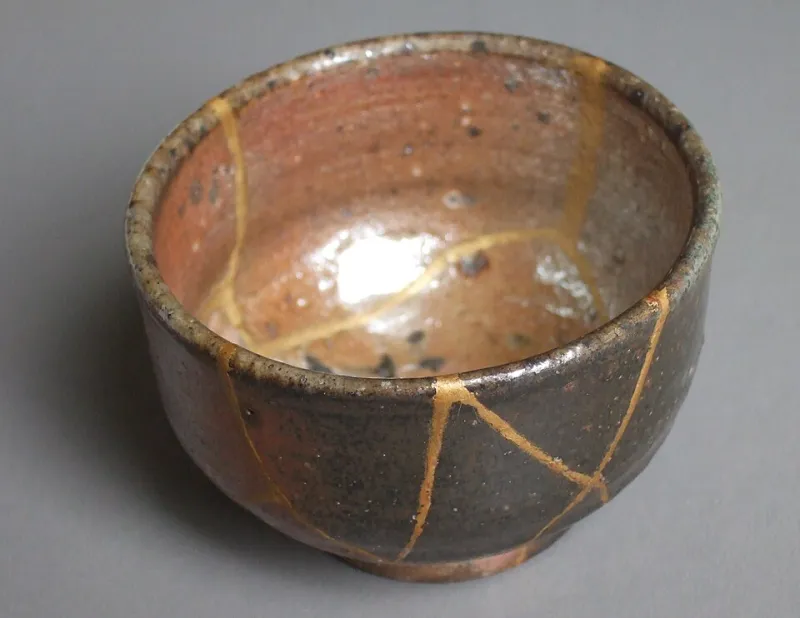
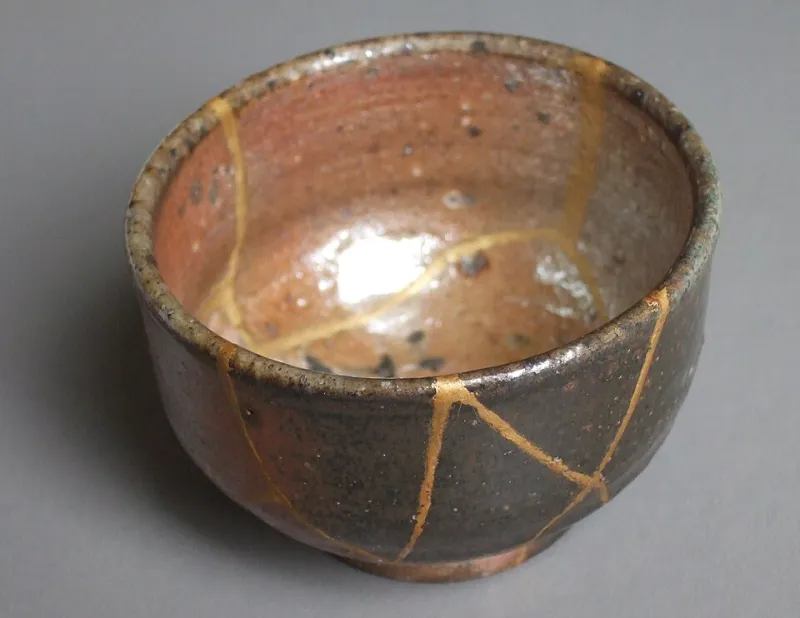
Show the Crack: What a Teacup Taught Me About Winning Over Investors
Design Philosophy

Show the Crack: What a Teacup Taught Me About Winning Over Investors

American founders rehearse their pitch decks into a state of sterile perfection — and wonder why investors don't trust them. A Kyoto craft perspective argues that a single, well-placed admission of weakness does more for credibility than thirty flawless slides ever could.

The Hourly Rate Is a Trap: Pricing Lessons from Kyoto's Oldest Workshops
Brand Strategy

The Hourly Rate Is a Trap: Pricing Lessons from Kyoto's Oldest Workshops

Freelance marketplaces and AI tooling are crushing design fees across the United States, but Kyoto's centuries-old workshops have never once priced by the hour. Here is how mastery-based pricing works — and the exact positioning moves that let American designers escape the race to the bottom.

Stop Sanding Down the Rough Edges: A Practical Guide to the Kintsugi Audit
Brand Strategy

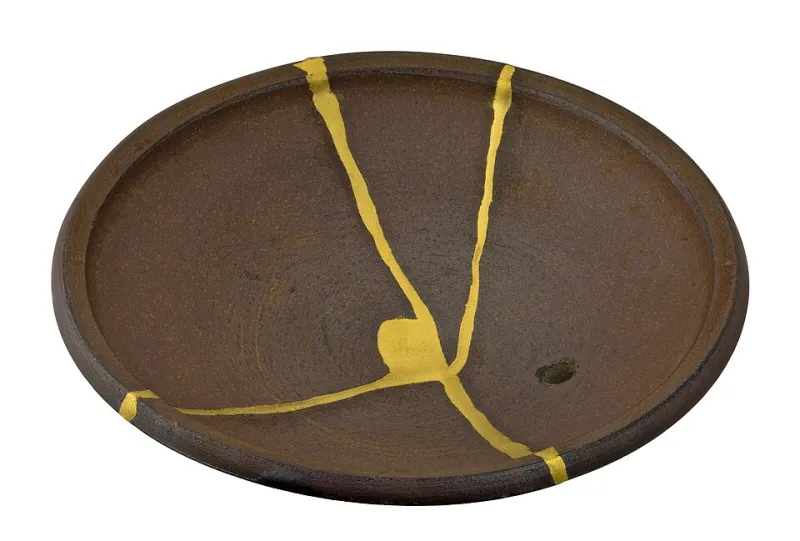
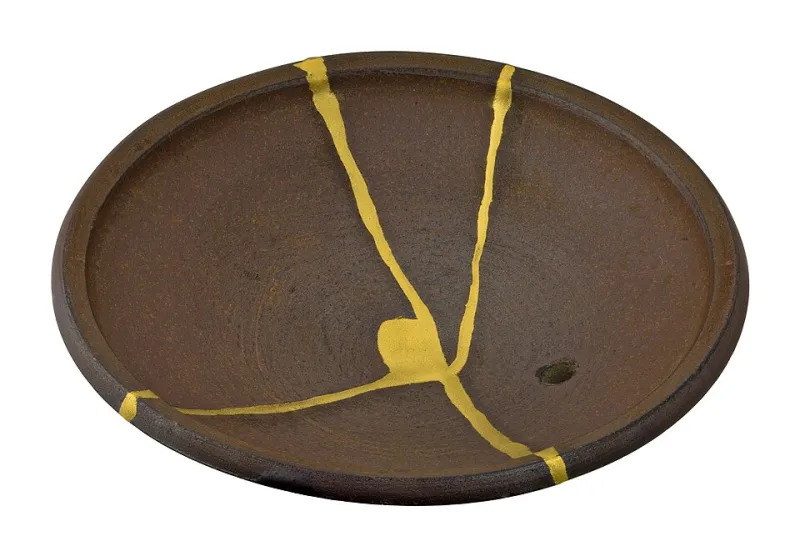
Stop Sanding Down the Rough Edges: A Practical Guide to the Kintsugi Audit

American branding treats imperfection as a liability to be polished away. Drawing on the kintsugi tradition of repairing broken ceramics with gold, this piece proposes a framework for identifying which of your brand's flaws deserve repair — and which deserve to be illuminated.

Designing for the Fourth Generation: Notes on Building a Company Meant to Outlive You
Design Philosophy

Designing for the Fourth Generation: Notes on Building a Company Meant to Outlive You

Silicon Valley taught a generation of founders to build for acquisition. Kyoto's centuries-old workshops built for something else entirely: continuity. This essay examines what succession branding looks like when the horizon is a hundred years, not five.

Beyond the Default Blue: What a Kyoto Dye Master Understands About Premium Color
Design Philosophy

Beyond the Default Blue: What a Kyoto Dye Master Understands About Premium Color

Saturated gradients and the same tired tech blue have flattened the visual landscape of American business. Looking to the natural dye traditions of Kyoto — indigo, persimmon, moss — reveals why restraint and imperfection in color signal true premium quality.

Repair Before You Replace: A Case for the Gold-Seamed Rebrand
Brand Strategy

Repair Before You Replace: A Case for the Gold-Seamed Rebrand

American companies too often treat a rebrand as demolition day, discarding decades of accumulated recognition for a blank slate. Borrowing from kintsugi — the art of repairing pottery with gold — we propose a discipline of deliberate repair, and offer a framework for deciding which brand assets deserve preservation.

Seven Digital Manners Your Website Is Forgetting
Design Philosophy

Seven Digital Manners Your Website Is Forgetting

Kyoto craftsmen treat every visitor to the workshop as a guest worthy of unhurried attention. Most American websites do the opposite. Here are seven familiar web patterns that would alarm any trained artisan — and the calmer alternatives to build in their place.

Gold in the Seams: The Case for Brands That Admit What Broke
Brand Strategy

Gold in the Seams: The Case for Brands That Admit What Broke

American startups spend fortunes polishing their origin stories until every pivot and failure disappears. Drawing on kintsugi, Kyoto's art of golden repair, we argue the opposite: the seam is the story, and hiding it costs you the trust you're trying to buy.

Slow Hands, Fast Markets: Five Enduring Habits of Kyoto's Oldest Workshops — and What They Teach American Founders
Brand Strategy

Slow Hands, Fast Markets: Five Enduring Habits of Kyoto's Oldest Workshops — and What They Teach American Founders

Kyoto's craft businesses have survived centuries of war, economic upheaval, and changing taste without ever chasing a trend. Here are five habits from the city's oldest workshops that translate directly to the pressures facing fast-scaling American startups.

The Silence Between Elements: How 'Ma' Rewrites the Rules of American Visual Design
Design Philosophy

The Silence Between Elements: How 'Ma' Rewrites the Rules of American Visual Design

In Kyoto, emptiness is never an accident — it is the most deliberate material a designer can work with. This essay traces the concept of 'ma' from temple gardens to Silicon Valley redesigns and asks why American brands still fear the pause.