Slow Hands, Fast Markets: Five Enduring Habits of Kyoto's Oldest Workshops — and What They Teach American Founders
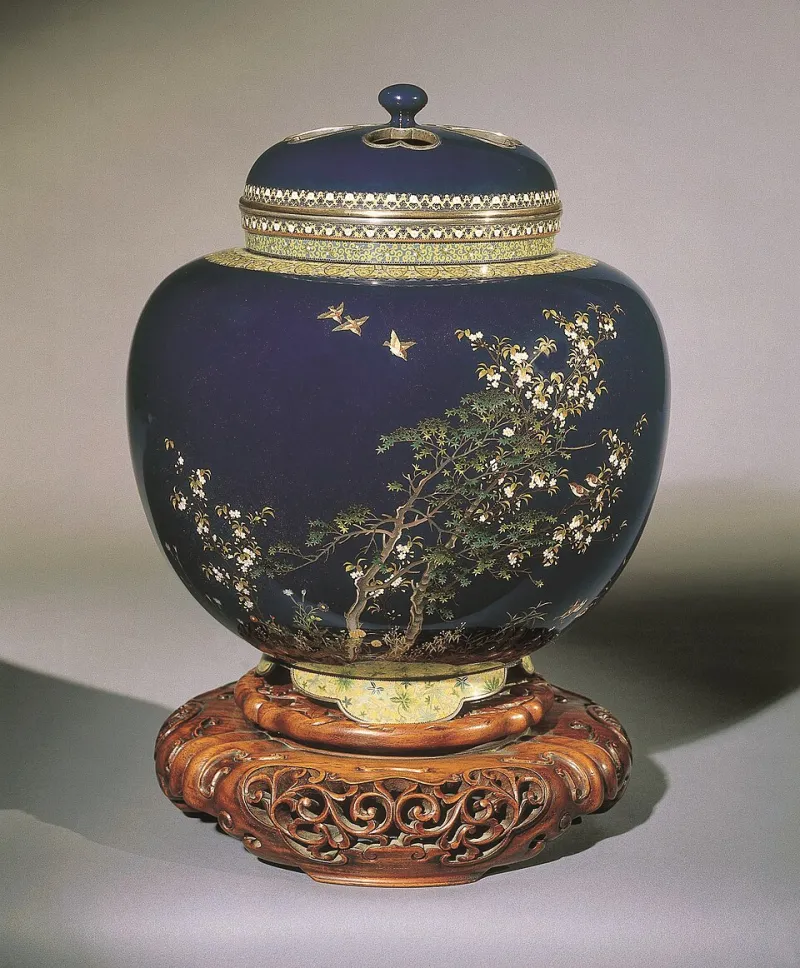
Photo: Khalili Collections, CC BY-SA 4.0, via Wikimedia Commons
There is a workshop in Nishijin, Kyoto's historic textile district, that has been weaving silk for the same family for over a dozen generations. It has outlasted the samurai economy, industrialization, the bubble era, and fast fashion. Meanwhile, the median lifespan of an American startup is measured in a few short years, and even well-funded brands routinely fold within a decade of their Series A.
The contrast is not an argument against venture capital or speed. It is a reminder that durability is a design decision. Having spent years alongside Kyoto's craft houses, we have distilled five habits that any American founder can borrow — no loom required.
1. Master One Thing Before You Add a Second
The oldest knife-makers in Sakai and the incense houses of Kyoto share a stubborn trait: they do one thing, and they refuse to apologize for it. A workshop that has made a single type of brush for two centuries does not pivot into candles when sales dip.
The startup translation: resist the temptation to launch three product lines in year two. A brand known for one exceptional thing — one SKU, one workflow, one category — commands a premium and a memory. Expansion is a reward for mastery, not a substitute for it.
2. Iterate Slowly, on Purpose
A Nishijin weaver may spend a full year developing a new pattern, testing dye lots and tension settings that a software team would ship in a sprint. The point is not slowness for its own sake; it is that each change is fully understood before it compounds.
The startup translation: adopt a 'one deliberate revision' rule. Before shipping a redesign or rebrand, articulate exactly what changed, why, and what you expect to observe. Slow iteration is not the opposite of agility — it is agility with a memory.
3. Let the Material Be Honest
Kyoto woodworkers famously avoid paint that conceals grain and joinery that hides its method. The material's truth is part of the object's value. Customers pay more because nothing is pretending.
The startup translation: audit your brand for pretense. Stock photography that isn't your team, testimonials that aren't verifiable, sustainability claims your operations can't back up — these are the painted-over grain of the digital age. In an era of instant fact-checking, material honesty is a competitive moat.
4. Build Apprenticeship Into Your Culture
Craft houses do not hire finished experts; they grow them. A new apprentice sweeps the floor for years before touching the master's tools, absorbing judgment that no manual can transmit.
The startup translation: your first ten hires are your apprenticeship system. Document not just what you do but how decisions get made. Pair senior judgment with junior hands deliberately. Companies that scale without a mentorship structure end up with headcount but no institutional taste — and it shows in the product.
5. Build a Quiet Reputation
The finest Kyoto workshops rarely advertise. Their reputations travel through connoisseurs, department store buyers, and word of mouth that has been compounding for generations. Scarcity is not a marketing tactic; it is a consequence of standards.
The startup translation: not every growth lever needs to be a growth hack. Invest in the unglamorous compounding assets — a genuinely excellent onboarding experience, packaging worth keeping, customer support that solves rather than deflects. In the US market's noise-saturated channels, quiet consistency is increasingly the loudest signal.
The Long Game Is a Brand Decision
None of these habits require a 300-year history. They require choosing, today, to optimize for the decade rather than the quarter. American founders often assume longevity comes from scale or capital. Kyoto's workshops suggest it comes from the opposite: restraint, depth, and the patience to let a reputation build itself one honest object at a time.
Your startup will probably never weave silk. But if it can master one thing, iterate with intention, tell the truth about its materials, teach its own people, and let quality speak quietly — it has learned the curriculum that has kept Kyoto's workshops alive since before the United States existed.