Before the Reveal: Why the Package Is the First Chapter, Not the Last
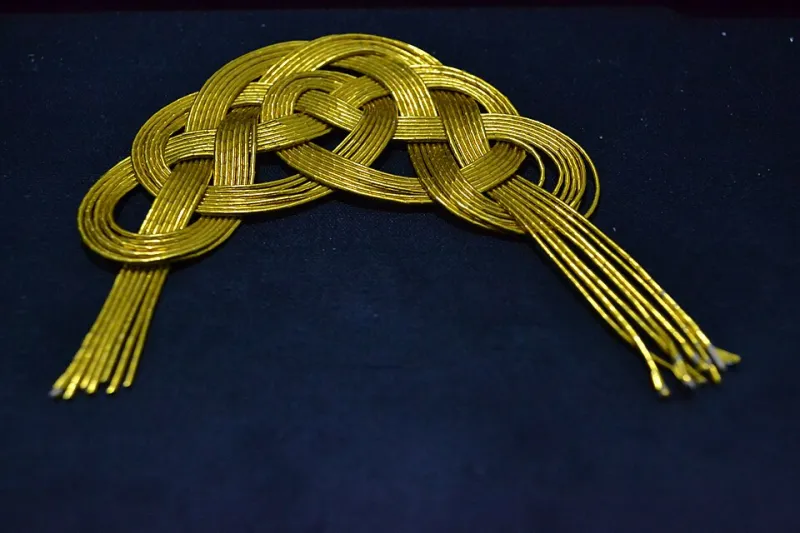
Photo: SilverBullet X, CC0, via Wikimedia Commons
Walk into any centuries-old shop along Kyoto's Sanjō or in the craft lanes of Higashiyama, and watch how a purchase is handed over. The object — a tea bowl, a folded furoshiki, a single incense stick — disappears into layers of paper, cloth, and cord. The merchant does not rush this. The wrapping is not a delay before the product. In a very real sense, it is the product: the first gesture of care the customer receives, and the last memory they carry home.
American founders tend to treat packaging as a cost center to be optimized away. Then a video of a beautifully engineered box goes viral on TikTok, and suddenly everyone wants to know how to make an unboxing "moment." The problem is that most brands chase the reveal while ignoring the philosophy underneath it.
Tsutsumu: Concealment as Consideration
The Japanese art of tsutsumu — wrapping — predates the shopping bag by centuries. Its logic is counterintuitive to Western marketing: the wrapper exists to withhold, not to display. A gift wrapped in cloth asks the recipient to participate. There is a pause, an unwinding, a small ceremony before the object appears.
This is not friction for friction's sake. Tsutsumu encodes three ideas that translate directly to modern brand experience:
- The contents deserve protection, and protection is affection. How you handle a thing signals how much you value the person receiving it.
- Anticipation is part of the value. What is earned slowly is remembered longer than what is handed over instantly.
- The wrapping is reusable, honest, and quiet. Traditional materials — cloth, washi paper, knotted cord — do not shout. They hold.
Compare this to the average US e-commerce package: a poly mailer, air pillows, a product rattling inside, and a printed card saying "We love you!" The gap between those two experiences is the gap between a brand that trusts its product and one that hopes the discount code does the talking.
What the Unboxing Economy Actually Rewards
The viral unboxing is not a new phenomenon wearing a phone camera. It is tsutsumu inverted for the feed — and the brands that win at it understand something structural, not cosmetic.
Consider the patterns behind the packages that get filmed millions of times: the weighted magnetic closure of a premium phone box that falls open at exactly the right speed; the tissue paper folded in a way that requires two hands; the peel-off film on a skincare jar that gives a satisfying resistance. None of these are accidents. They are engineered moments of reveal — the same ceremony tsutsumu has staged for centuries.
The lesson is not "add a ribbon." The lesson is that packaging is choreography. Every layer is a beat, and the customer's hands are the instrument.
A Framework: Designing the Package Worth Filming
For US founders evaluating their own packaging, we suggest a simple audit built on four questions:
1. Does the first five seconds reward the hands? Weight, resistance, texture. If the box opens with a whimper, the video ends before it starts.
2. Is there a reason to keep a layer? The most sustainable packaging is the kind people refuse to throw away — a cloth wrap that becomes a tote, a box that holds desk supplies. Reuse is the highest compliment a package can earn.
3. Does the reveal order make sense? The best unboxings front-load delight: a note, a detail, a hidden print on the inside flap. Founders often spend their budget on the outer shell and leave the interior bare — the exact opposite of how a Kyoto merchant thinks.
4. Would this package survive being the marketing? If a customer films your unboxing, that video is a paid ad you never paid for. Design as if the camera is always rolling, because increasingly, it is.
Quiet Confidence, Corrugated and Otherwise
There is a temptation, reading the unboxing trend, to conclude that American brands need louder, more theatrical packaging. We would argue the opposite. The packages that endure — like the shops in Kyoto that have wrapped the same way for generations — succeed because restraint signals confidence. A brand that does not need to shout on the shelf does not need confetti in the box.
The wrapping is the product. Treat it as the first chapter of your customer's story with you, not the packing material at the end of it — and the camera, when it arrives, will do the rest.