The Space Between Yes and Hello: Onboarding Lessons from the Kyoto Tea Room
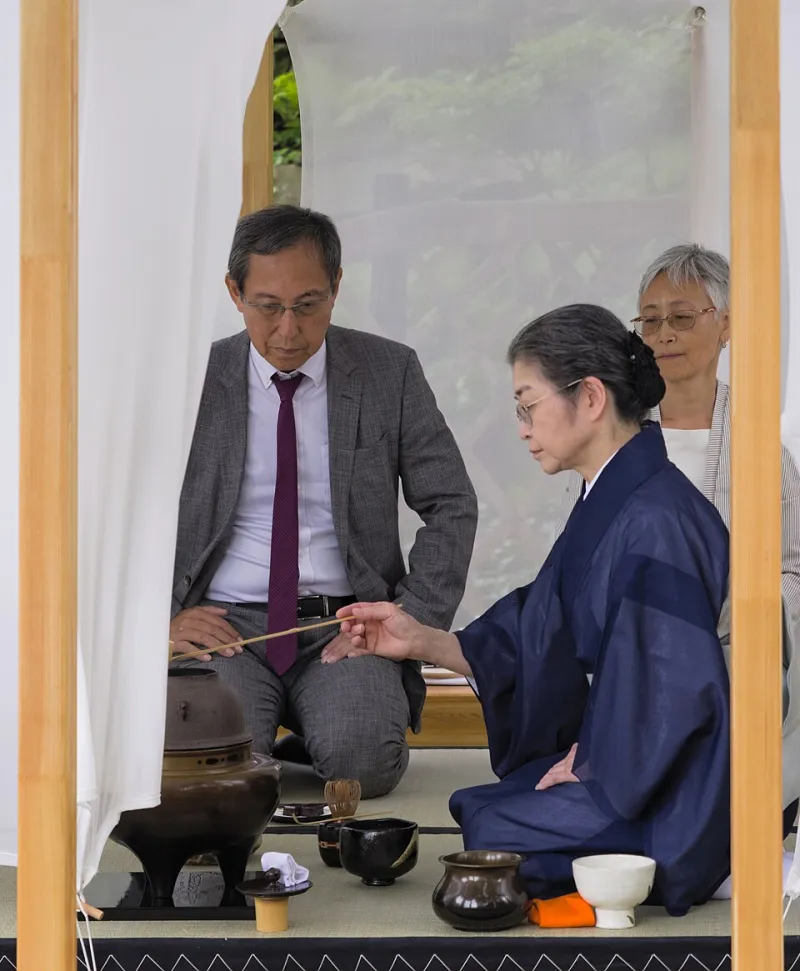
Photo: D-Kuru, CC BY-SA 4.0, via Wikimedia Commons
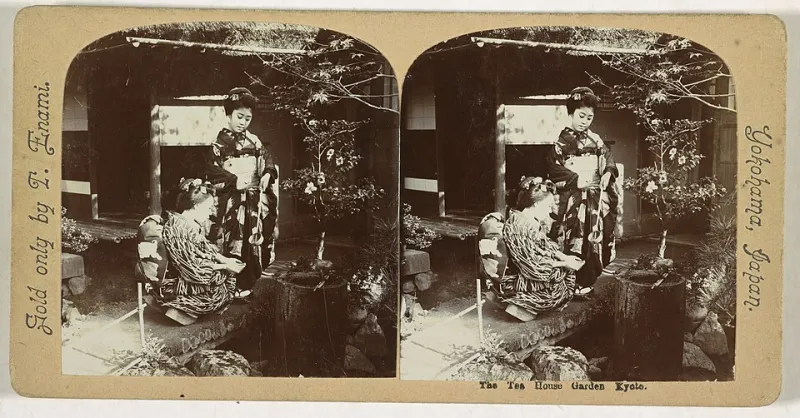
In Kyoto, nothing important begins abruptly. Before a tea gathering, guests pass through a garden path — the roji — where the noise of the street falls away a step at a time. By the time they crouch through the small doorway into the tea room, they are already inside the experience. The ceremony, in a sense, started minutes earlier, in the waiting.
Compare this with the typical American studio engagement. A proposal is signed on a Tuesday. The kickoff call is scheduled for ten days out. In between: silence. An automated 'we'll be in touch!' email, perhaps. The client, having just made a meaningful financial and emotional commitment, is left alone with their decision — and with their doubts.
We call this onboarding debt. It accrues quietly, in the liminal space between yes and hello, and it compounds.
Where the Debt Hides
Onboarding debt accumulates in three predictable gaps:
The proposal limbo. The days between sending a proposal and hearing back. Most studios treat this as dead air. The client experiences it as a test of your reliability.
The signed-but-not-started gap. The contract is executed, but work hasn't begun. Enthusiasm is at its peak; your visible effort is at its lowest. This mismatch is where buyer's remorse takes root.
The first-week fog. The kickoff happened, but the client can't yet see what they're paying for. Unstructured beginnings feel like unstructured everything.
Each gap is an unmanaged touchpoint. And unmanaged touchpoints manage themselves — usually poorly.
The Tea Room's Answer: Design the Anticipation
What makes the tea room instructive is not its formality but its intentionality. Every stage of approach is paced deliberately. The host does not rush the guest toward the experience; the approach is the experience.
Translated into studio practice, this means treating pre-engagement time as designed time. A practical framework:
1. Map the gaps. Chart every moment from proposal sent to first deliverable. Identify where the client hears nothing from you for more than 48 hours. Those silences are your design brief.
2. Assign meaning to each interval. A handwritten note arriving two days after the proposal — not a nudge, just a thank-you — reframes waiting as care. A 'what to expect' packet sent the day the contract clears converts anxious downtime into orientation.
3. Pace the reveal. The tea room doesn't show everything at once. Send a single thoughtful artifact before kickoff: a short memo on why your process unfolds the way it does, or one question worth pondering before you meet. Anticipation, properly fed, becomes confidence.
4. Close the loop at entry. The first working session should feel like arriving somewhere, not logging in. Open with a recap of the journey so far — 'you found us in March, we scoped in April' — so the client feels the continuity you've been quietly maintaining.
The American Context
US clients are conditioned to interpret responsiveness as competence. This makes the gaps more dangerous here than elsewhere — but it also makes deliberate pacing more powerful. A studio that communicates with rhythm and intention stands out precisely because the market default is neglect.
None of this requires theater. It requires only the recognition that a client relationship does not begin at kickoff. It begins the moment someone decides to trust you — and everything you do, or don't do, between that decision and your first meeting is already the work.
Design the waiting room. The brand lives there too.