The Customer Who Came Back Twice: Notes on Designing a Sales Funnel That Doesn't Chase
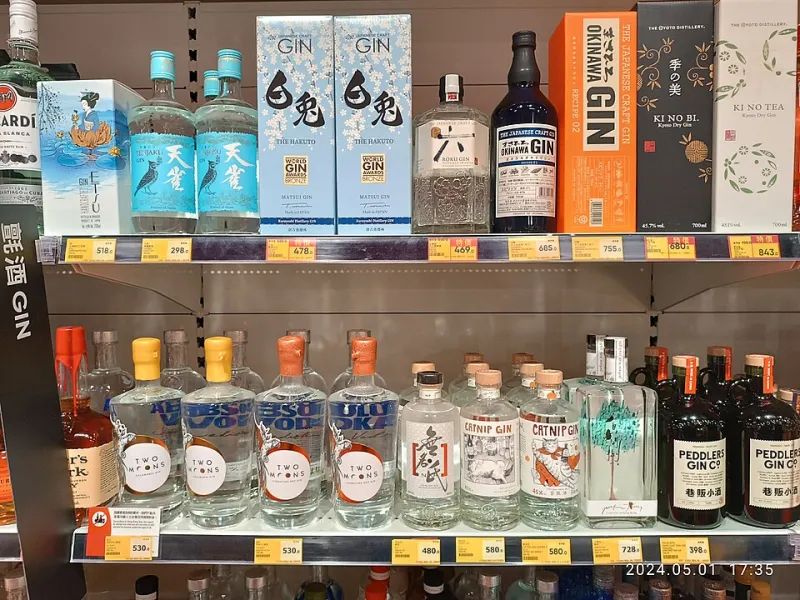
Photo: Tommgos Lauoz, CC0, via Wikimedia Commons
In a small gallery off Shinmonzen Street, a visitor once admired a ceramic vessel for the better part of an afternoon. The owner answered a few questions, offered tea, and said nothing more. When the visitor left without buying, the owner bowed and told him the door would be open whenever he wished to return. He returned twice. On the third visit, he bought the vessel—and two others.
An American conversion strategist would call that funnel a leak. The gallery would call it a relationship.
The Urgency Economy Is Wearing Thin
US digital marketing has spent a decade optimizing for pressure. Countdown timers that reset. Exit-intent popups that ambush. 'Only 2 left in stock' badges that are, more often than not, theater. These tactics were built on a real insight—scarcity and urgency do move people—but they've been applied so indiscriminately that buyers have developed a kind of immunity, and in premium markets, something closer to resentment.
The problem isn't urgency itself. It's that manufactured urgency signals something a premium brand can't afford to signal: desperation. When a $400 product is '50% off for the next hour,' the buyer quietly revises what the product is actually worth.
What Kyoto's Shops Understand About Time
In Kyoto's craft shops and galleries, the opposite assumption governs. A serious purchase—a lacquer box, a scroll, a commissioned piece—deserves deliberation. Sellers there often expect a customer to visit two or three times before committing. The first visit is introduction. The second is consideration. The third is consent.
This isn't passivity. It's a different theory of how decisions actually form. The shopkeeper isn't trying to interrupt the buyer's judgment; he's trying to let it mature. And the result is a customer who arrives at the purchase already resolved—which means fewer returns, fewer regrets, and a story the customer tells for years afterward.
A Framework for Patient Conversion
None of this requires abandoning your funnel. It requires re-sequencing it around trust instead of pressure.
1. Map the three visits. Identify the natural decision stages for your product—discovery, comparison, commitment—and design a touchpoint for each rather than compressing all three into one checkout flow.
2. Slow the email cadence and raise its value. Instead of a 48-hour discount countdown, send a three-part sequence over two weeks: the story of how the product is made, an honest answer to the most common objection, and a quiet note from a past customer. No coupon in any of them.
3. Rewrite the sales script around the walk-away. Train your team to end calls with something like: 'Take a week. If it still makes sense, we'll be here.' For high-consideration purchases, permission to hesitate is often the thing that closes the deal a month later.
4. Let scarcity be true or be silent. If you genuinely have two units left, say so plainly, once. If you don't, say nothing. Fabricated scarcity is the single fastest way to convert a premium brand into a discount one.
5. Build the return path, not the exit ramp. Replace exit-intent popups with a genuine reason to come back: a restock notification, a related piece of craft writing, an invitation to a studio visit or webinar.
The Math of Patience
The objection is obvious: patient funnels feel slower, and slow costs money. But measure the right numbers and the picture changes. Patient funnels trade conversion rate for order value, refund rate, and lifetime value. A buyer who deliberated for three weeks rarely asks for a refund. A buyer who was talked into it often does.
For brands selling at a premium—where trust is the actual product—patience isn't a concession. It's the positioning, expressed as a cadence. The gallery owner on Shinmonzen Street wasn't being polite when he let a customer walk out the door. He was making the most persuasive argument he had: that the work would still be worth wanting whenever the customer was ready.